It happens every year. One warm evening in early autumn the feeder that emptied every second day suddenly sits full for a week. The yard goes quiet. The natural first thought is that something went wrong: the sugar water spoiled, the feeder placement scared them off, the neighbor’s new garden stole your visitors. In the overwhelming majority of cases, none of that is true. The hummingbirds left because it was time to leave. Knowing how to read that departure, and when it actually happens where you live, changes what you do in the final weeks of the season.
Departure is driven by daylight, not food
The trigger for hummingbird migration is photoperiod: the shortening of days, registered through hormonal changes that begin weeks before the birds actually go. This matters because it means an abundance of food cannot hold them. You could fill every feeder on the street with fresh nectar and the birds will still leave on schedule, because leaving is not a response to hunger. It is a response to light.
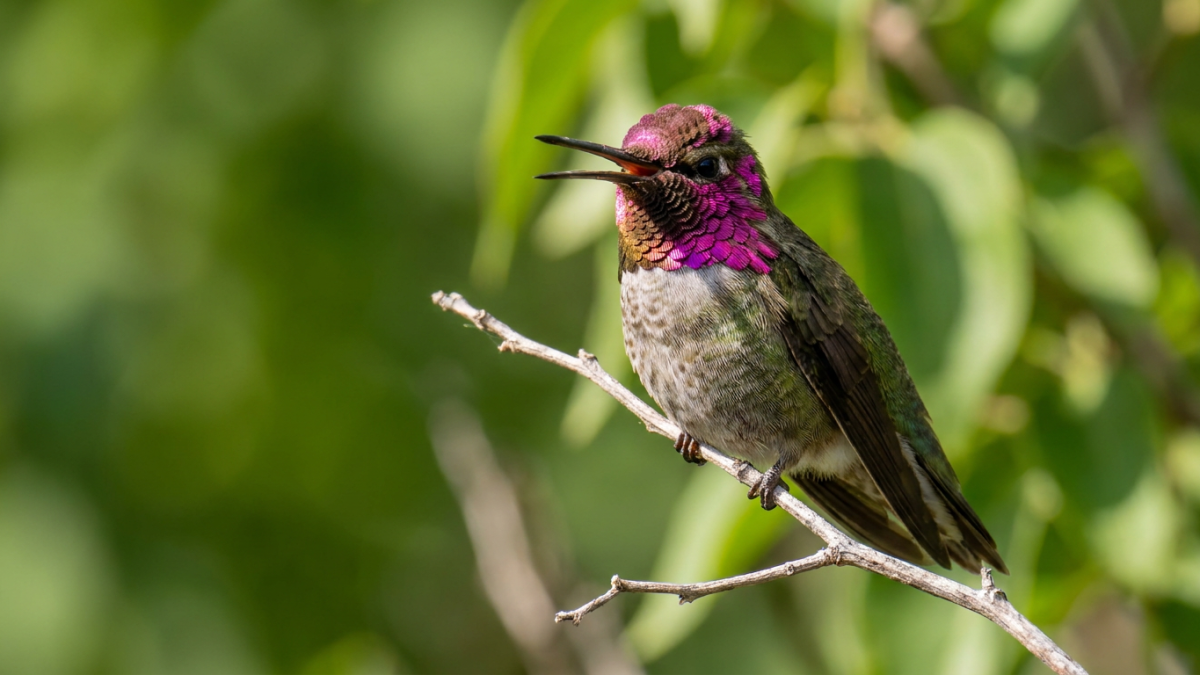
The internal schedule is remarkably consistent year to year. In most of the United States, ruby-throated hummingbirds clear out between late August and late September, with adult males first, females and juveniles following one to three weeks later. In the Gulf Coast and the far South the calendar stretches into October. In Southern California and the Southwest, some Anna’s and Allen’s hummingbirds simply do not migrate at all, which is why a feeder that goes quiet in Phoenix in October is a different problem from one that goes quiet in Chicago.
The male vanishes first, and that is normal
The most common mid-August panic is the disappearance of the flashy male. He was at the feeder every hour yesterday and today, nothing. He has not been eaten by the neighbor’s cat. Adult males leave first, ahead of the females and this year’s young, to establish winter territory in Mexico and Central America. The females and juveniles will keep coming for another two or three weeks after the males are gone. Keep the feeder up through that window. The young birds hatched this summer are making their first migration and they need the fuel stops more than anyone.
Keep the feeder up longer than you think
The old advice to take feeders down after Labor Day “so the birds know to leave” is wrong and has killed a fair amount of goodwill toward backyard feeding. Because migration is light-triggered, your feeder cannot trap a bird into overstaying. What a late feeder does do is serve stragglers: late-nesting females, weak juveniles, and birds moving down from further north that pass through after your residents have gone. Migration records show ruby-throats moving through the Gulf Coast well into October. Birders in Texas and Louisiana routinely host migrants into November.
The practical rule: keep the feeder up, fresh, and half-filled for about two weeks after you see your last hummingbird. After that, take it in, clean it properly, and store it. If you are in a region with overwintering hummingbirds, the California coast, the desert Southwest, the Gulf South, keep it up all winter and commit to keeping it unfrozen and fresh.
What a departure is not
A few patterns get misread as a local catastrophe every season. If the birds left abruptly in July or early August, well before the normal window, the likely cause is nectar that fermented or grew mold in the heat. Four parts water to one part sugar, replaced every two days in hot weather, prevents this; our feeder and nectar guides cover the maintenance schedule in detail. If they left right after you moved the feeder or put up a new one, give it four or five days before concluding anything; hummingbirds re-scan their territory constantly and usually rediscover a relocated feeder. And if the population at your feeder dropped by half overnight during a heat wave, check for fire ants and wasps on the feeder itself before blaming the birds.
One pattern genuinely is bad news: a bird that sits puffed and still on the feeder for long stretches, or one found on the ground. That is a call to a licensed wildlife rehabilitator, not a feeding change.
Being first on the route next spring
Spring arrival runs the calendar in reverse, and it is just as predictable. Ruby-throats hit the Gulf Coast from late February, the mid-South in March, the Midwest and Northeast through April, and southern Canada by mid-May. Males arrive first, roughly a week or two ahead of females, and the first arrivals are often passing through rather than settling. Put your feeder out about a week before the historical first arrival date for your county, eBird’s migration maps and hummingbirdcentral.com track arrivals zip by zip. A feeder that is up and visible before the first birds move through gets found; one that goes up in mid-May misses the scouts entirely and waits for latecomers.
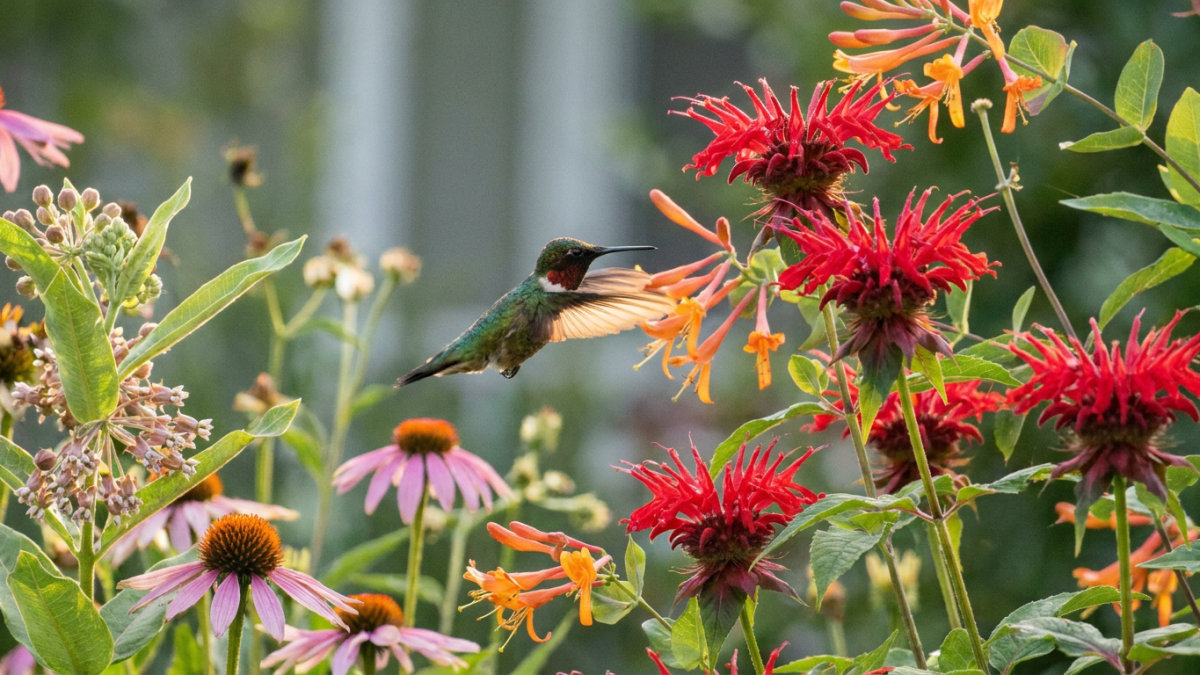
If you want returning birds to stay rather than pass through, the feeder is only part of the story. Early spring nectar sources matter just as much. Native trumpet-shaped flowers, columbine in the north, salvia and penstemon across most of the country, coral honeysuckle in the southeast, give arriving birds a reason to assess your yard as territory rather than a pit stop. The birds that nest nearby are the ones that fill your feeder all summer, and they decide in the first two weeks after arrival. That decision is made in spring, but the yard you prepare for it is a September and October project: plant the natives now, in fall, and they will be established when the scouts arrive.
The honest summary
An empty feeder in September is not a failure. It is a success you are witnessing from the wrong side. The birds that drained it all summer raised young, built fat reserves, and left on a schedule set by the sun. Your job in the exit weeks is simple: keep nectar fresh, keep the feeder up two weeks past the last sighting, plant for next spring, and then clean and store the feeder until the light starts stretching again.