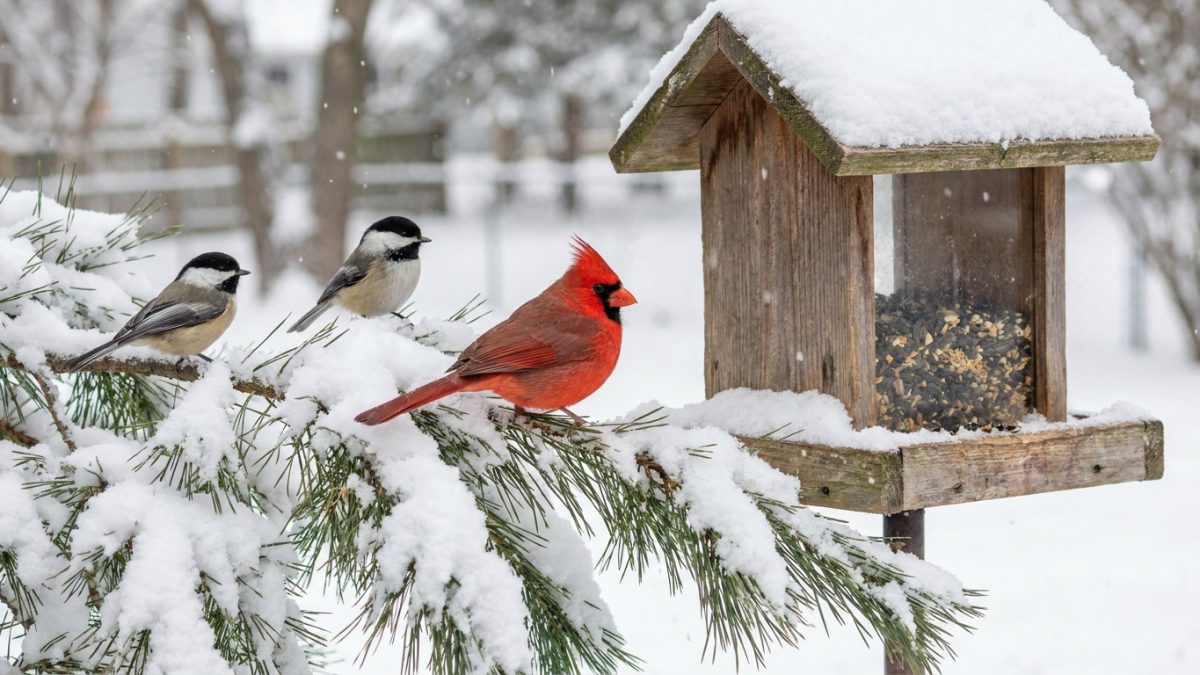
Most of your summer feeder crowd flies south, but a reliable core stays put. Across most of the US you can count on chickadees, tufted titmice, white-breasted nuthatches, downy woodpeckers, northern cardinals, house finches, blue jays and dark-eyed juncos from December through February.
The residents that never leave
Chickadees, titmice and nuthatches are non-migratory across nearly their whole range. They cache seed in bark crevices through autumn, then spend the cold months working the same half-mile of trees.
Woodpeckers hold territory year round, which is why suet gets busier once insects vanish. If you are still sorting out the two most common visitors, the downy woodpecker vs hairy woodpecker giveaway is bill length relative to head size.
Cardinals, house sparrows, mourning doves and blue jays fill out the resident list in most suburban yards. Their flock size changes, not their address.
Birds that only show up when it gets cold
Some species arrive for winter instead of leaving. Dark-eyed juncos move down from Canada and higher elevations in October and feed on the ground under feeders, which is why they get called snowbirds.
White-throated sparrows, American tree sparrows and, in irruption years, pine siskins and common redpolls follow the same route. Northern birds shifting south is why a January list can beat your July list.
Who actually leaves
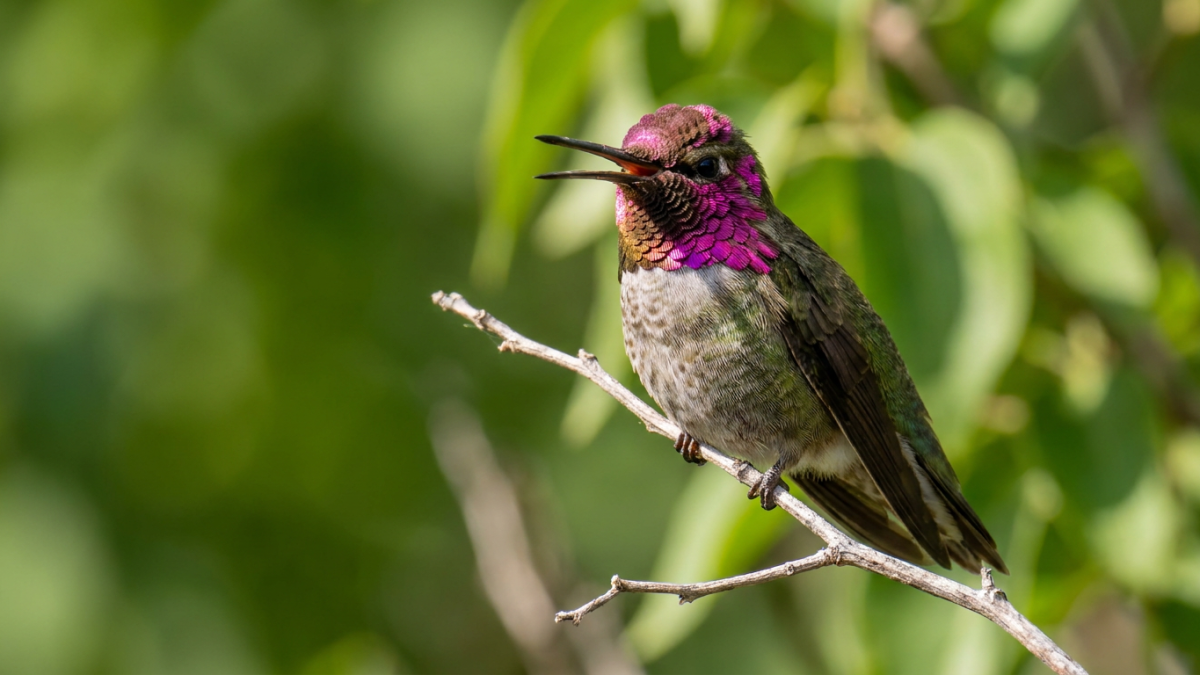
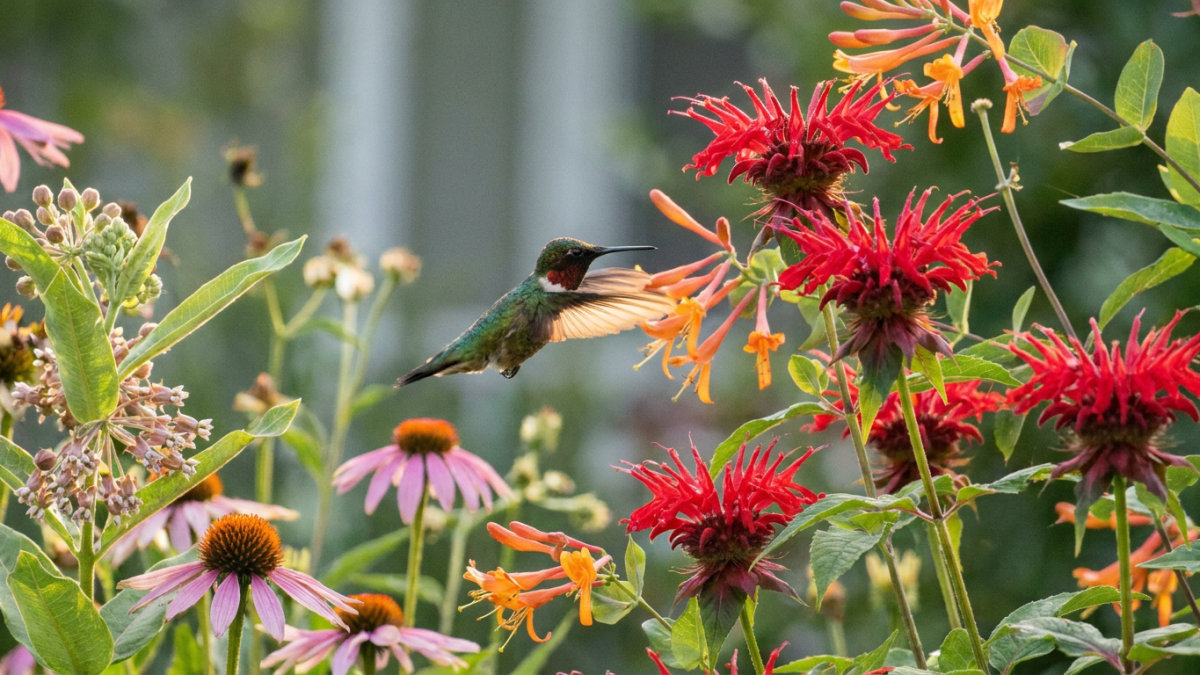
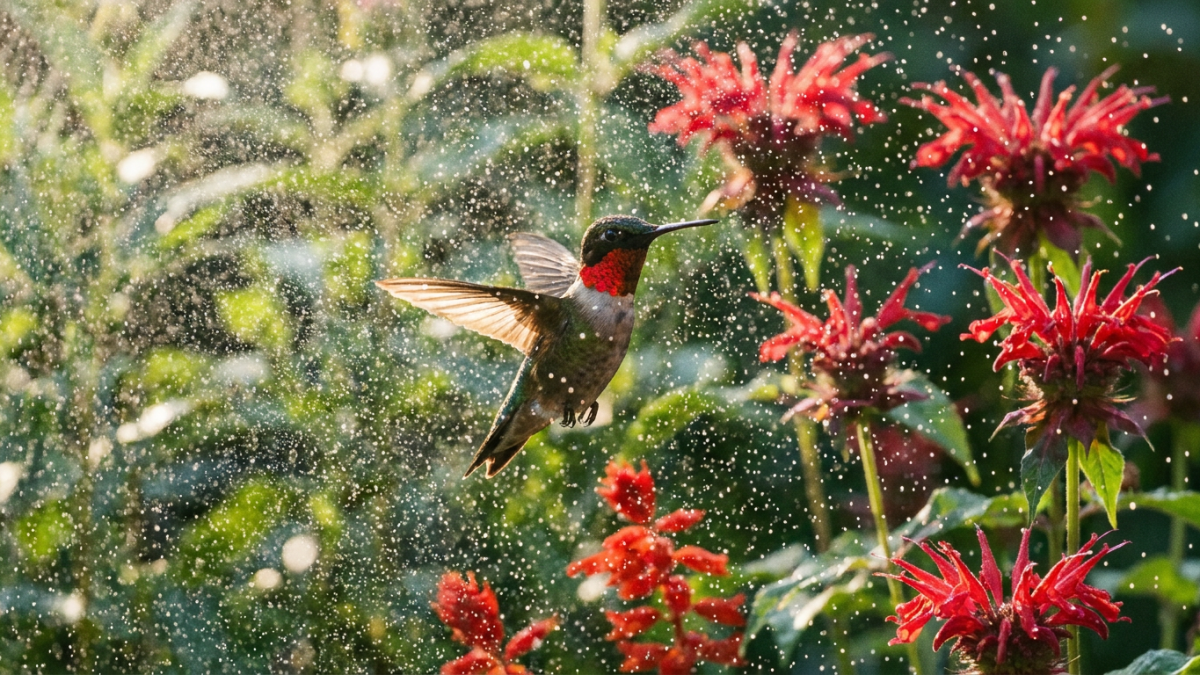
Hummingbirds, orioles, gray catbirds, house wrens and nearly every warbler depend on insects or nectar, so they clear out. Robins are the confusing case. They stay in much of the country but switch from lawns to fruiting shrubs, so it only looks like they left.
Keeping the winter crowd fed
Birds burn fat overnight in the cold, so calories matter more than variety. Black oil sunflower, suet and peanuts cover almost every resident species, and what to feed birds in winter breaks down the ratios by feeder type.
Water pulls in more species than food does once puddles freeze. A basin you keep thawed becomes the busiest spot in the yard, and you can keep a bird bath from freezing without electricity if you have no outdoor outlet.
Your list changes with latitude
The farther north you live, the shorter the resident list and the more those winter-only northern arrivals matter to your daily count. In the Deep South, several summer birds simply stop singing rather than leaving, so the yard feels emptier than it is.