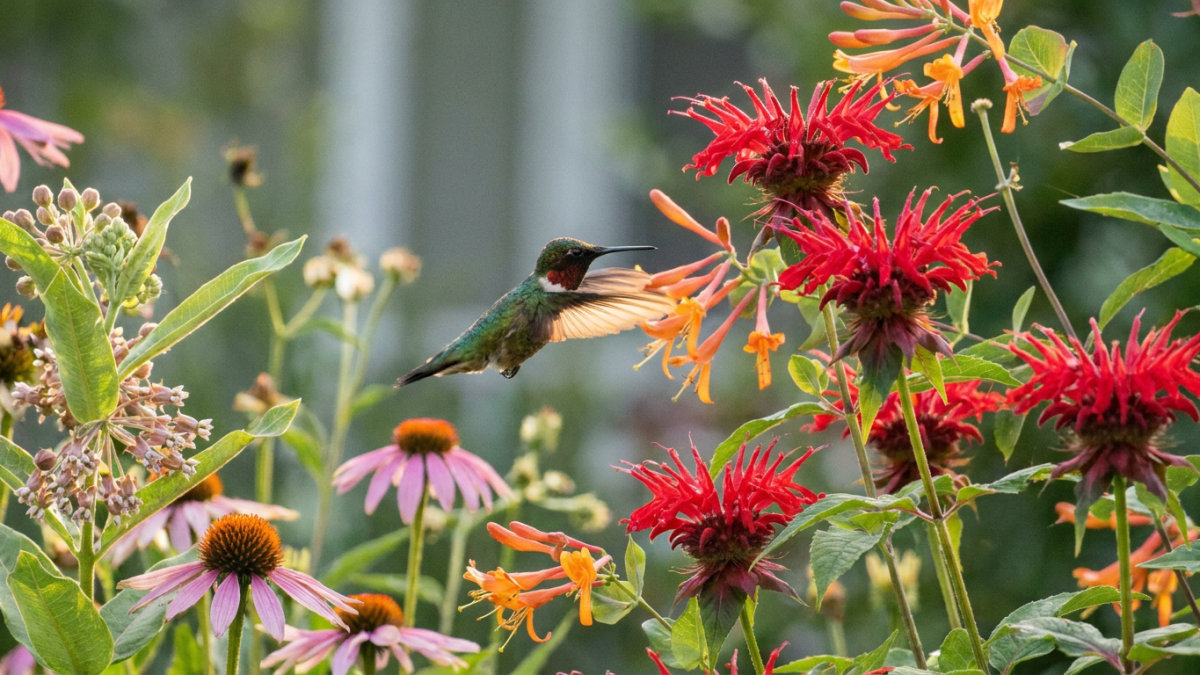
Clean your bird feeder roughly every two weeks as a baseline, and step up to weekly during hot, humid weather or heavy traffic. Nectar feeders are the exception: hummingbird feeders need a rinse and refill every two to three days, faster in the heat. Regular cleaning is the single best thing you can do to keep your visitors healthy.
Why the cleaning schedule matters
Dirty feeders spread disease. Damp seed grows mold, and crowded perches let illness pass from bird to bird.
A moldy or fouled feeder can also drive birds away entirely. If your yard has gone quiet, our piece on why there are no birds at your feeder walks through cleanliness as a common cause.
How often by feeder type
Tube and hopper feeders holding dry seed do well on a two week clean. Move to weekly in summer or after rain.
Suet feeders need attention every couple of weeks, more when the fat turns soft. Nectar and jelly feeders spoil fastest and need cleaning every two to three days.
Platform and ground feeders collect droppings quickly, so clear old food daily and scrub weekly.
How to clean it properly
Empty the feeder, then scrub it with hot water and a diluted bleach solution of about one part bleach to nine parts water. A bottle brush reaches the corners where seed likes to hide.
Rinse thoroughly and let it dry completely before you refill. Wet seed molds fast, which undoes the whole effort. Fresh, dry food matters too, so our guide to the best bird seed can help you avoid cheap filler that spoils.
Small habits that reduce cleaning
Fill only what the birds finish in a few days so seed does not sit and spoil. Placement helps as well, and our notes on where to hang a bird feeder cover spots that stay drier.
Use feeders with drainage and rain guards where you can. Less standing moisture means less scrubbing for you.