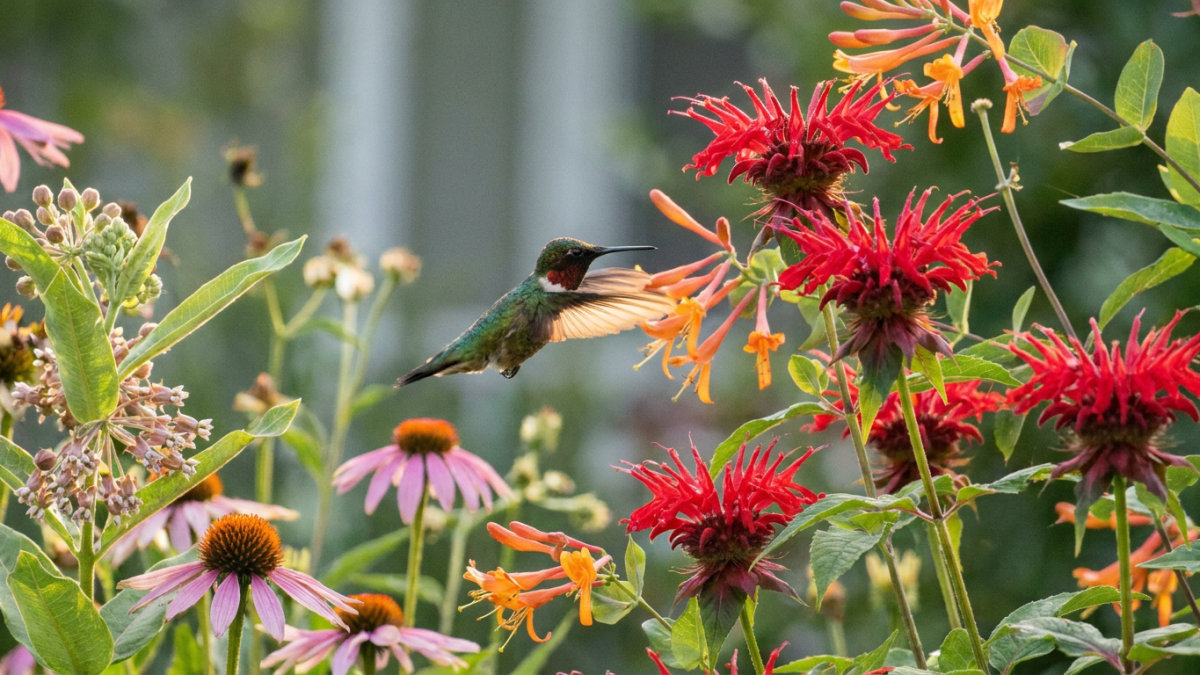
Most hummingbirds leave between mid-July and October, with the exact window set by species and latitude. Ruby-throats pull out of Canada and the northern states from late August into September, while stragglers pass through the Gulf states into October.
Males go first. They leave two to three weeks ahead of females and juveniles, which is why your feeder traffic looks female-heavy in the final weeks.
What Triggers the Departure
Day length, not temperature and not your feeder. Shortening photoperiod sets off hormonal changes that drive hyperphagia, the feeding binge that nearly doubles body weight before the flight.
This is why the old worry about feeders holding birds back does not survive contact with the evidence. A hummingbird on the clock leaves regardless of how full your feeder is.
Rough Timing by Region
Canada and the northern states see the bulk of ruby-throated hummingbirds gone by mid-September. The mid-Atlantic and Midwest run through late September. The Southeast and Gulf coast hold birds into mid-October, and coastal Texas and Louisiana see migrants later still.
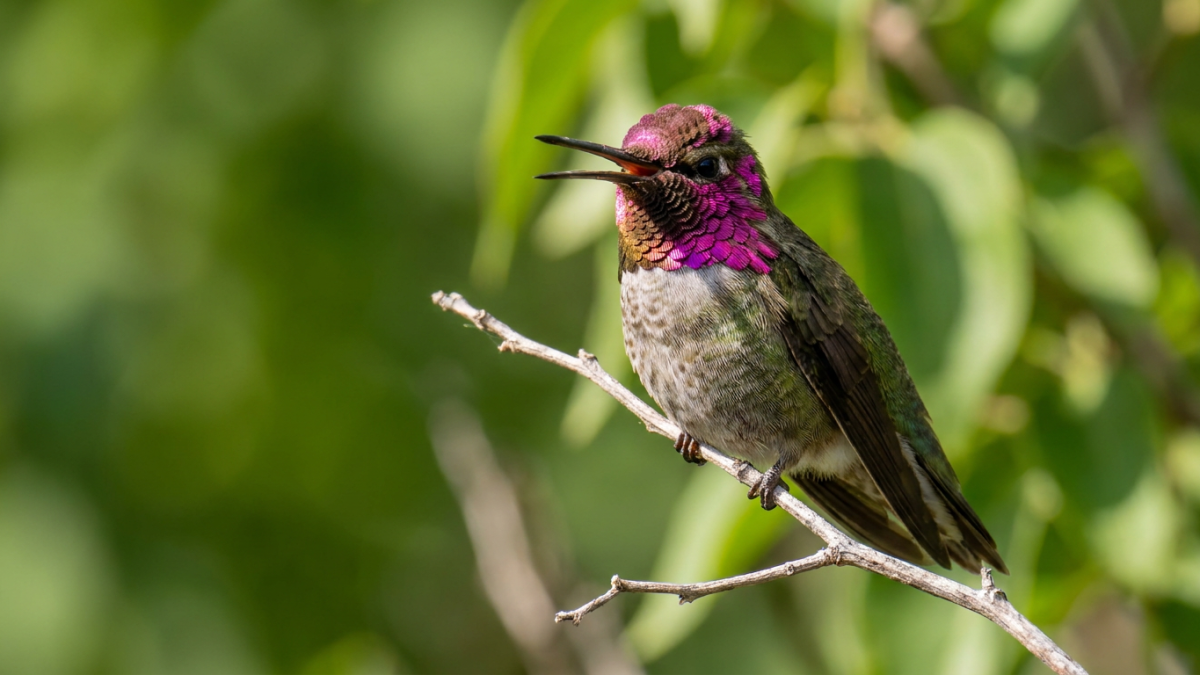
Western species differ. Rufous hummingbirds start south as early as July, and Anna’s hummingbirds along the Pacific coast largely stay put year-round.
Leave the Feeder Up Longer Than You Think
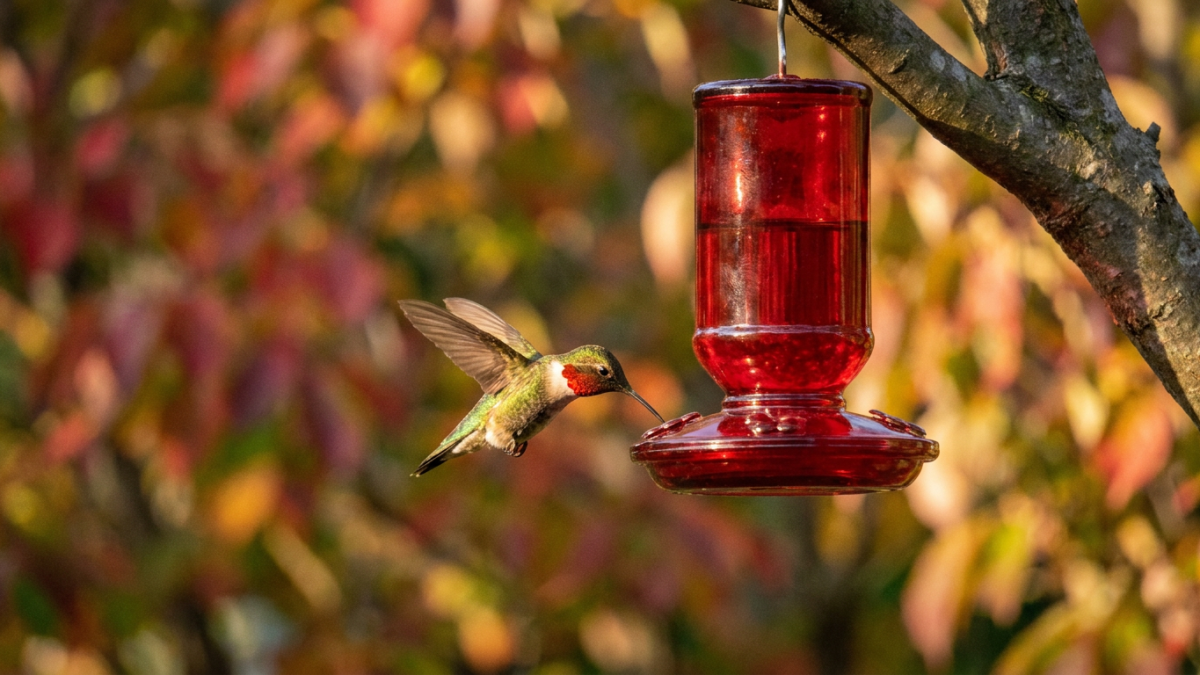
Keep nectar out for about two weeks after your last sighting. Late migrants and weakened birds depend on reliable stops, and an empty yard on the route costs them energy they cannot spare.
Refresh it on the same schedule you use in summer, since warm early-fall weather still spoils sugar water fast. The mix stays the same four-to-one ratio in the hummingbird nectar recipe.
What to Do Come Spring
Hang feeders about two weeks before the first arrivals are expected locally, which the region-by-region timing in when to put out hummingbird feeders maps out.
Returning birds often check the exact spot they used last year, so keeping the feeder in place helps. Their site fidelity is well documented, and the details sit in the piece on whether hummingbirds remember your feeder.
Signs the Migration Is Underway
Feeder aggression drops off as territorial males depart. Visits get shorter and more frequent as the remaining birds pack on fat. You may also see unfamiliar individuals, since migrants passing through are not your summer residents.
Then one day nothing comes. That is normal, and in most yards it happens within a few days of the same date each year.