When to Put Out Hummingbird Feeders, by US Region
Quick answer (Updated June 2026): Put your feeders out 1 to 2 weeks before the earliest expected arrival for your region. Gulf Coast residents should have feeders up by late February; Northeast and upper Midwest birders by early to mid-April. Leaving feeders up 2 weeks after the last sighting in fall helps late migrants and does not interfere with migration.
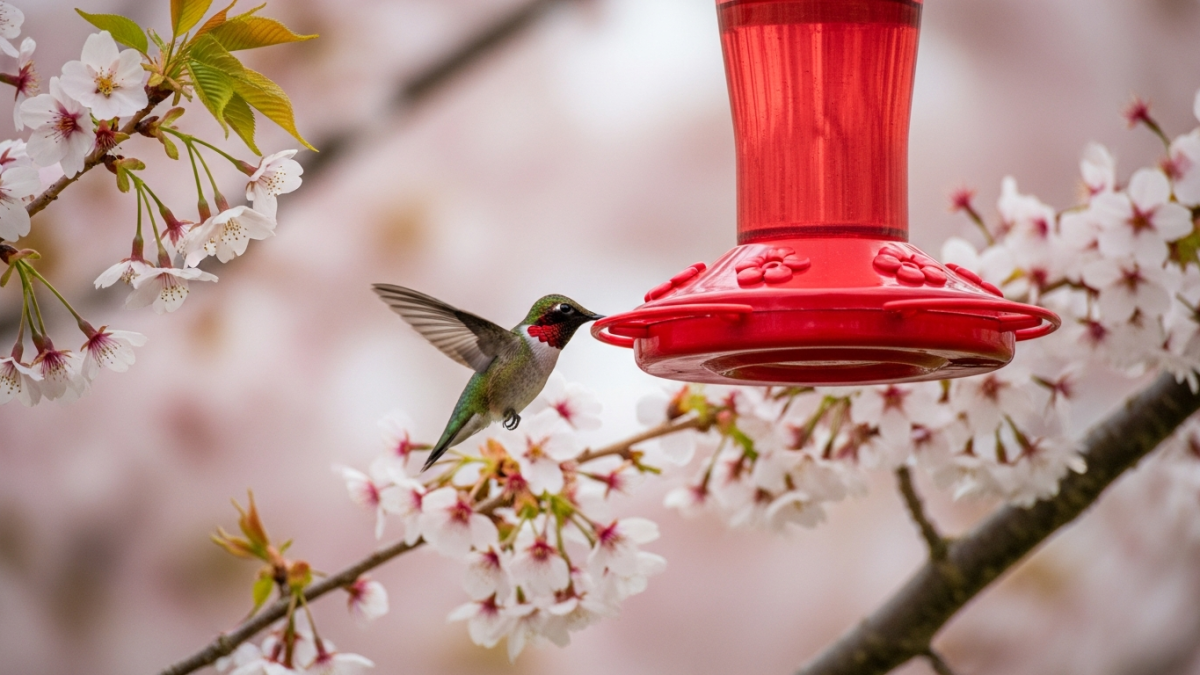
The short answer: Put your hummingbird feeders out 1 to 2 weeks before the earliest expected arrival date for your region. Early migrants show up before flowers bloom and need feeders for energy. Being early does not waste nectar; it ensures the first arrivals find your yard.
Timing by Region
| Region | Put Feeders Out | Peak Season | Take Down |
|---|---|---|---|
| Gulf Coast (TX, LA, FL) | Late February | March to October | Mid-November |
| Southeast (GA, SC, AL) | Early March | April to September | Late October |
| Mid-Atlantic (VA, NC, TN) | Mid-March | April to September | Late October |
| Midwest (OH, IL, MO) | Late March | May to September | Early November |
| Northeast (NY, PA, MA) | Early April | May to September | Mid-October |
| Pacific Northwest (WA, OR) | Mid-March | April to September | Mid-October |
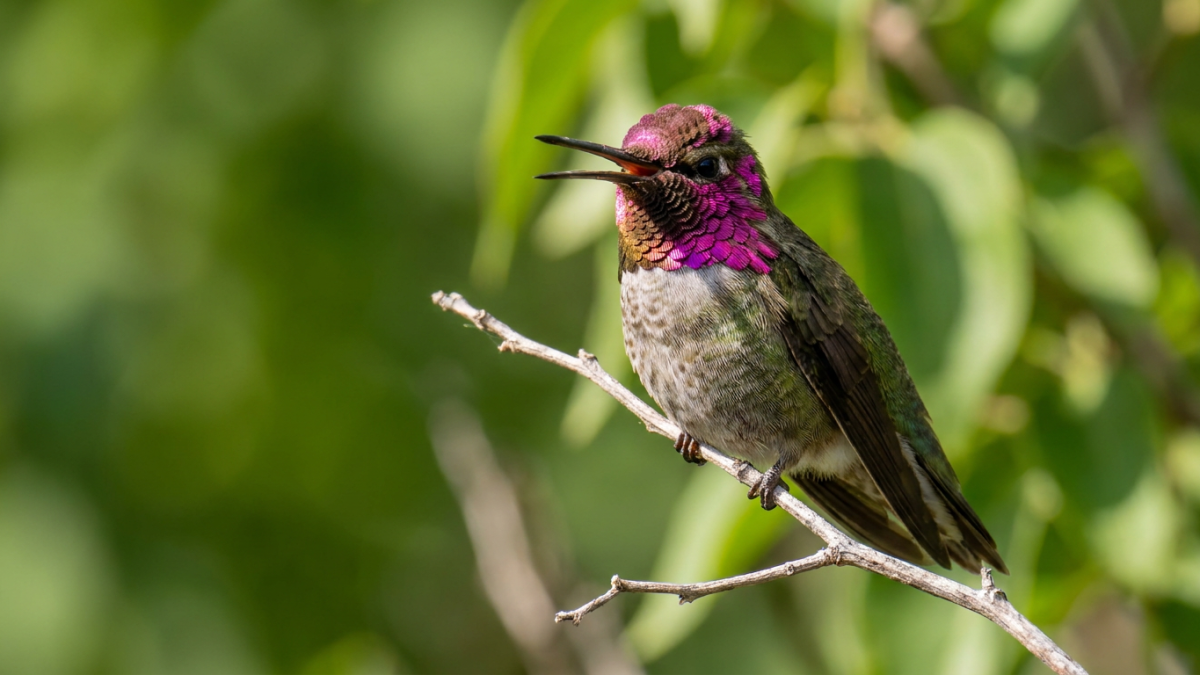
| Southwest (AZ, NM) | Late February | March to October | Year-round (Anna’s) |
| Rocky Mountains (CO, UT) | Early April | May to September | Late September |
| Northern Plains (MN, WI) | Mid-April | Late May to Early Sept | Early October |
Why should you put feeders out early?
The first hummingbirds to arrive in spring are scouts and early migrants. They have been flying hundreds of miles and arrive before most flowers bloom. A feeder in your yard can mean the difference between life and death for an exhausted bird. Even if you do not see a hummingbird for the first week, the early arrivals are watching and will remember a reliable food source. Make sure you also have fresh nectar ready; see our hummingbird nectar recipe for the correct 4-to-1 ratio and mixing instructions.
Should you leave feeders up in fall?
The old myth that feeders prevent migration is false. Hummingbirds migrate based on day length, not food availability. Leaving feeders up in fall actually helps late migrants and stragglers build energy reserves for the journey south. In the Southwest, Anna’s hummingbirds now stay year-round, so keep feeders up through winter. If you are upgrading your feeder before season, see our guide to the best hummingbird feeders for current top picks.
Signs Hummingbirds Are Arriving
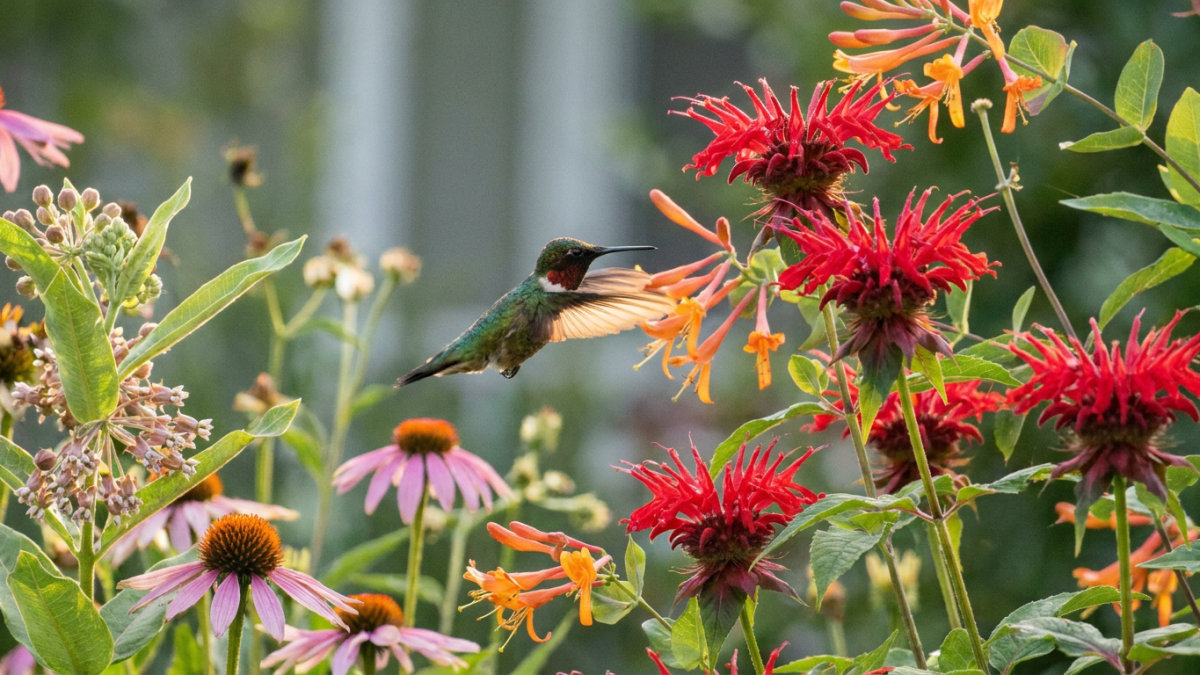
- First blooming flowers in your area (red columbine, bee balm, trumpet vine)
- Insect activity increases (hummingbirds eat insects for protein)
- Reports on migration tracking sites like Journey North’s hummingbird tracking page
- Local birding groups on social media
Frequently Asked Questions
Is it too early to put out feeders?
If you are 1 to 2 weeks ahead of the earliest arrival date for your region, it is not too early. Nectar will stay fresh for a week in cool spring temperatures. If no birds arrive within 2 weeks, dump and refill with fresh nectar.
Should I take feeders down in fall?
No. Leave them up at least 2 weeks after you see the last hummingbird. Late migrants and stragglers need the energy. Feeders do not prevent migration; day length triggers that instinct.
Do hummingbirds remember feeder locations?
Yes. Hummingbirds have excellent spatial memory and will return to the same feeders year after year. Once you establish your yard as a reliable food source, you will see returning birds each spring.