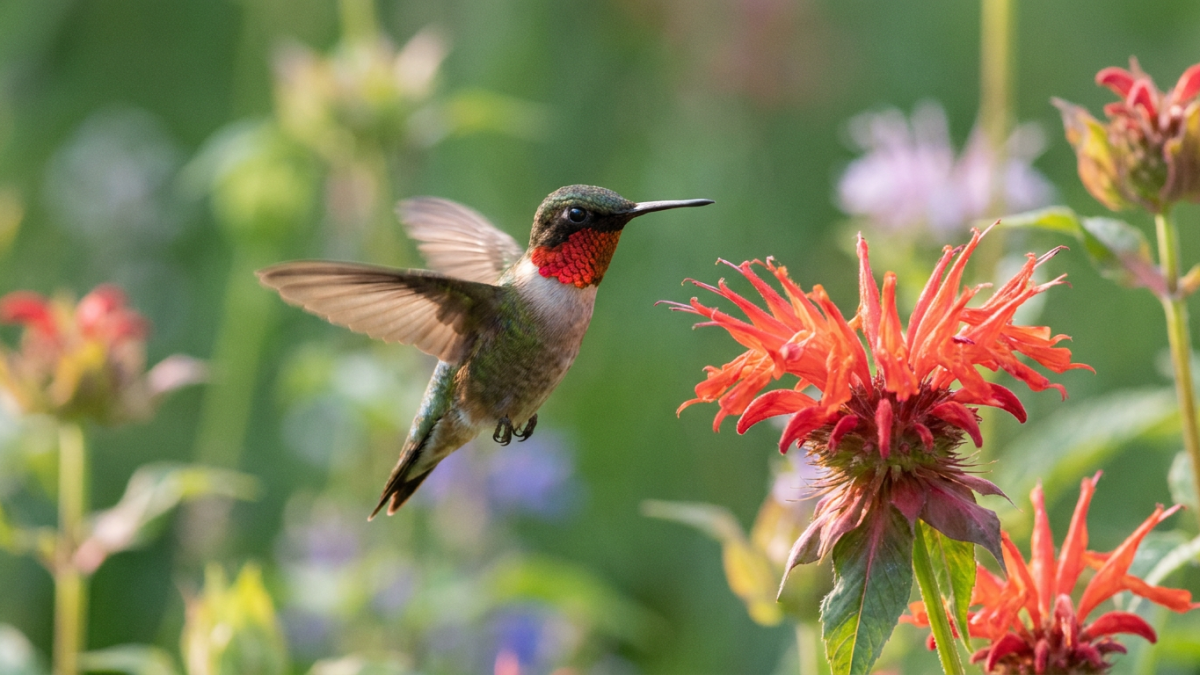
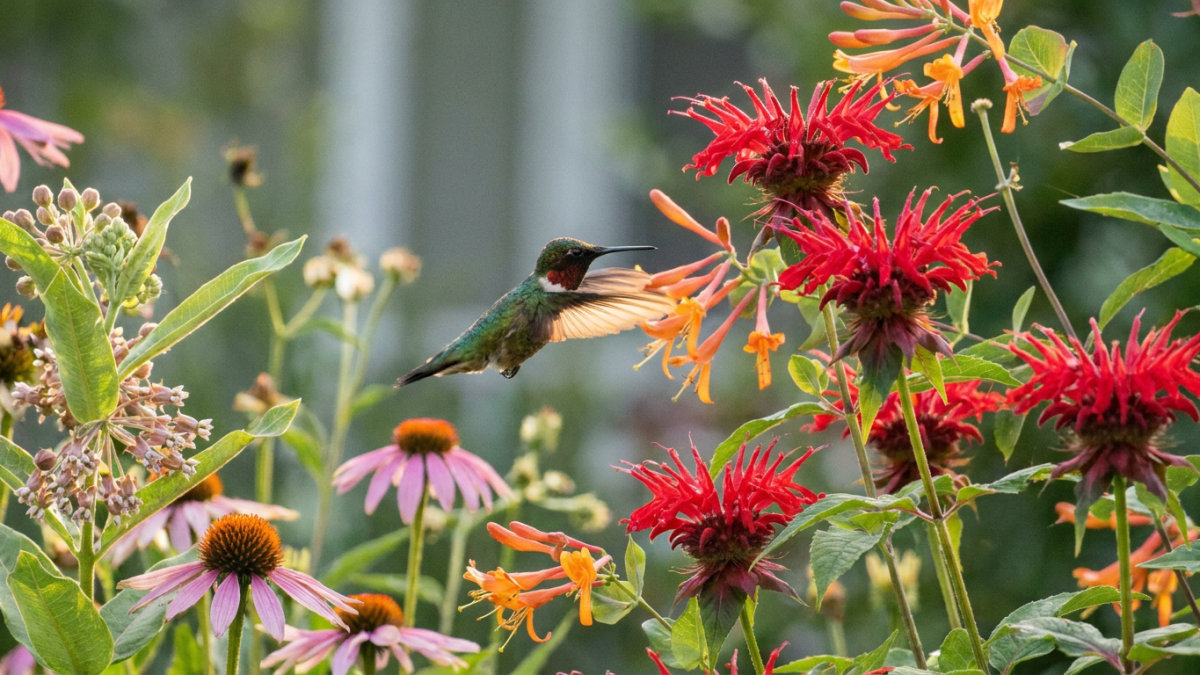
Clear window-mounted bird feeder on a balcony glass door with a small finch feeding

The best bird feeder for a small yard or balcony is a window-mounted or compact pole feeder that holds one or two seed types, keeps mess contained, and fits close to a wall without needing open space. You do not need a big yard to pull in birds.

Space, cleanup, and the birds you want to see should drive the choice more than capacity.

Feeding birds without a yard
A balcony and a patio have different constraints, and both work
Smallest workable setup
one window feeder
Best value second feeder
a suet cage
Mess control
hulled seed, always, in a small space
Balcony rail mount
a clamp bracket, not a hook
Squirrels on a balcony
usually not the problem, pigeons are
Pigeon exclusion
small ports and no landing tray
Water in a small space
a shallow saucer, refilled daily
Noise and neighbours
keep it off shared walls

In a small space every hull that lands on the floor is yours to sweep, so the seed choice that looks expensive per pound is the one that keeps this arrangement tolerable.

Plumelore earns a commission on qualifying purchases through the Amazon links on this page, at no extra cost to you. Picks are chosen on performance and suitability, not on commission.

What works in tight spaces

Window feeders are the strongest pick for balconies and patios. They suction to glass, bring birds within a few feet, and use almost no floor space, which is why they top our list of best window bird feeders.

A compact tube feeder on a short shepherd’s hook also works if you have a railing or a corner of ground. Tubes keep seed dry and let several small birds feed at once.

Skip large hoppers and platform trays in small spaces. They spill more, attract pigeons, and need more clearance than a balcony offers.
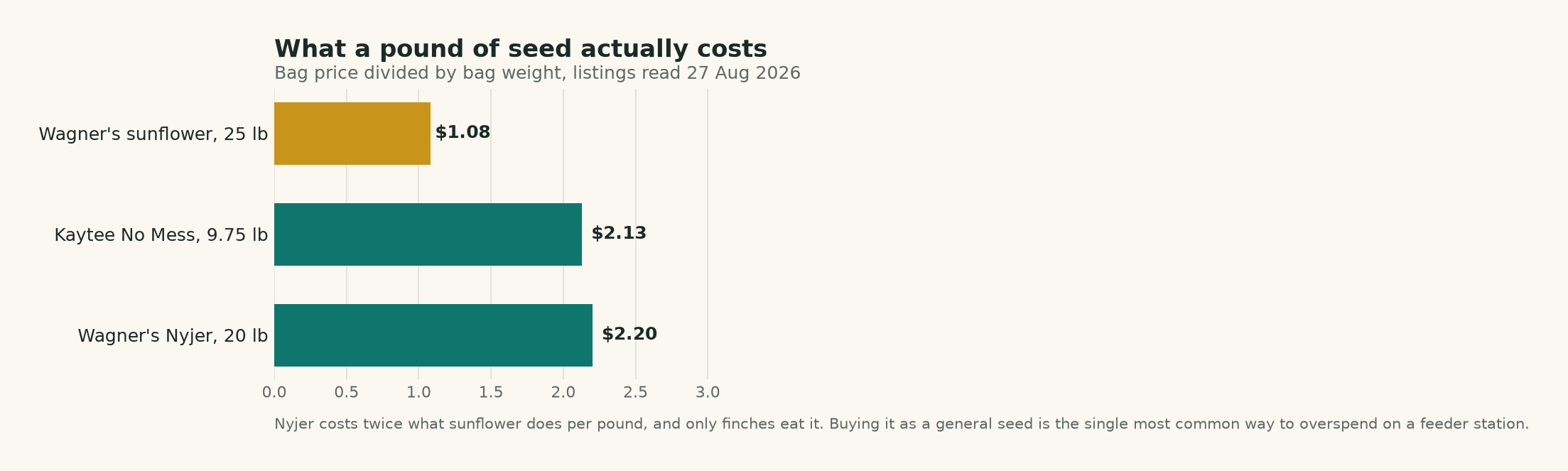
Chart comparing the cost per pound of black oil sunflower, no-mess mix and nyjer bird seed
Per pound, nyjer is twice the price of sunflower and feeds a fraction of the birds.
What each seed type does and which of them is mostly filler (source: Bright-Eyed Birding)
Product Why in a small space Note
Suction-cup window feeder No ground footprint at all Sticks to glass, needs no pole, no post, no permission
Kaytee Ultimate No Mess Nothing to sweep up Hulled seed is the single biggest quality-of-life change here
Nature’s Way cedar suet feeder Adds woodpeckers in one square foot Upside down, so starlings and pigeons stay off it
Check current price
Suction-cup window feederon AmazonKaytee Ultimate No Messon AmazonNature’s Way cedar suet feederon Amazon

Prices move, and stock does too. Each of these opens the product page on Amazon in a new tab.

A one-square-metre bird station
Five steps
1Start with the window feeder
Cheapest, no mounting, and you see everything.
2Use hulled seed only
This decides whether the setup survives month two.
3Add a suet cage second
Different birds, no extra footprint.
4Put out a shallow saucer
An inch of water, changed daily, doubles what shows up.
1 in
5Sweep weekly
Five minutes. It is what keeps a shared balcony uncontroversial.

Match the feeder to your birds

A tube with small ports draws finches and chickadees, while a mesh or nyjer feeder targets goldfinches specifically. Choosing by species keeps your setup simple, which we break down in best bird feeders by bird type.

Stick to one or two seed types in a small space to limit waste and hulls piling up below.

A birder walks through what has actually held up in his own yard (source: Mark’s Backyard Birds)

Placement and cleanup

Position matters more when space is tight. Keep the feeder either within three feet of the window or well beyond ten to reduce collisions, and shelter it from wind, as covered in where to hang a bird feeder.

Choose a feeder you can open and rinse easily, since balcony feeders sit close to where you live and need regular cleaning to stay safe for birds.