Practical guides for feeders, baths, seed and suet
Built from thorough research and hundreds of verified owner reviews. No sponsored posts. Honest recommendations you can rely on.
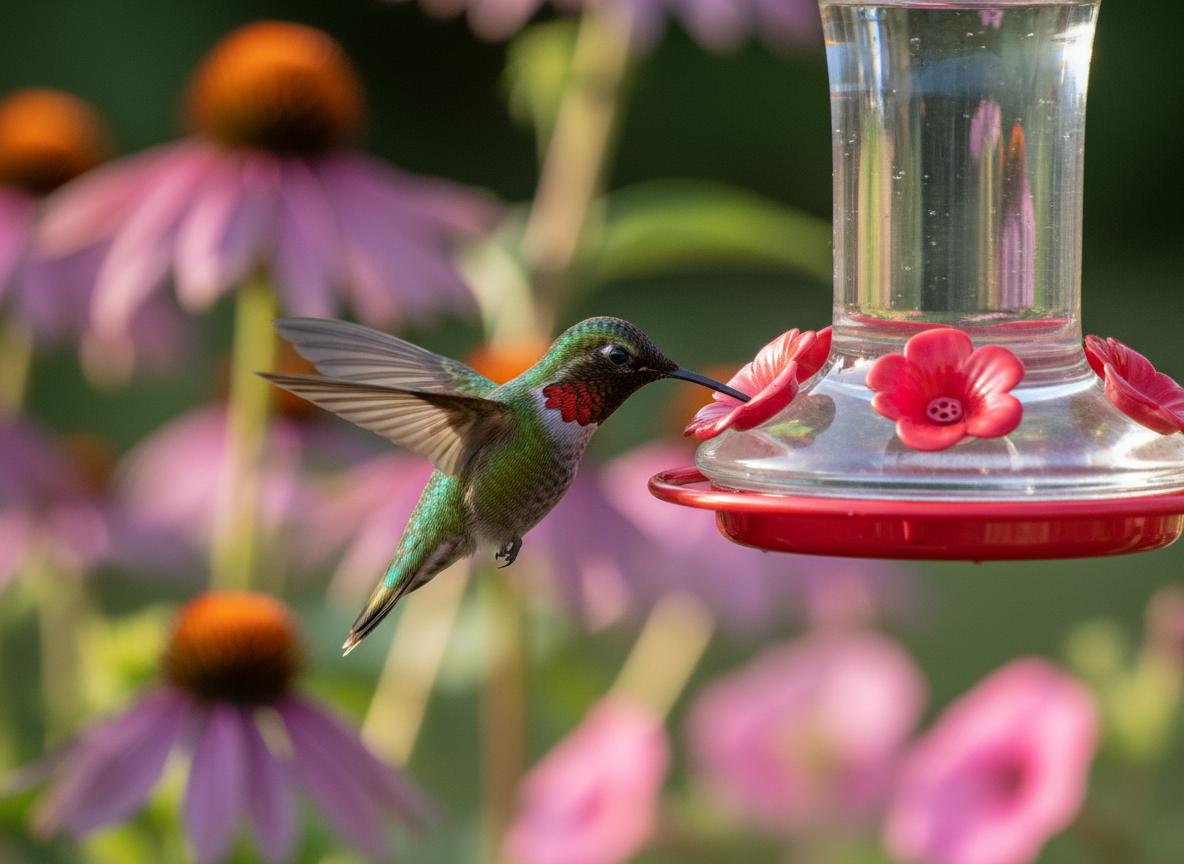
Hummingbirds
Feeders, nectar recipes, ant guards and seasonal timing. The busiest corner of our yard.
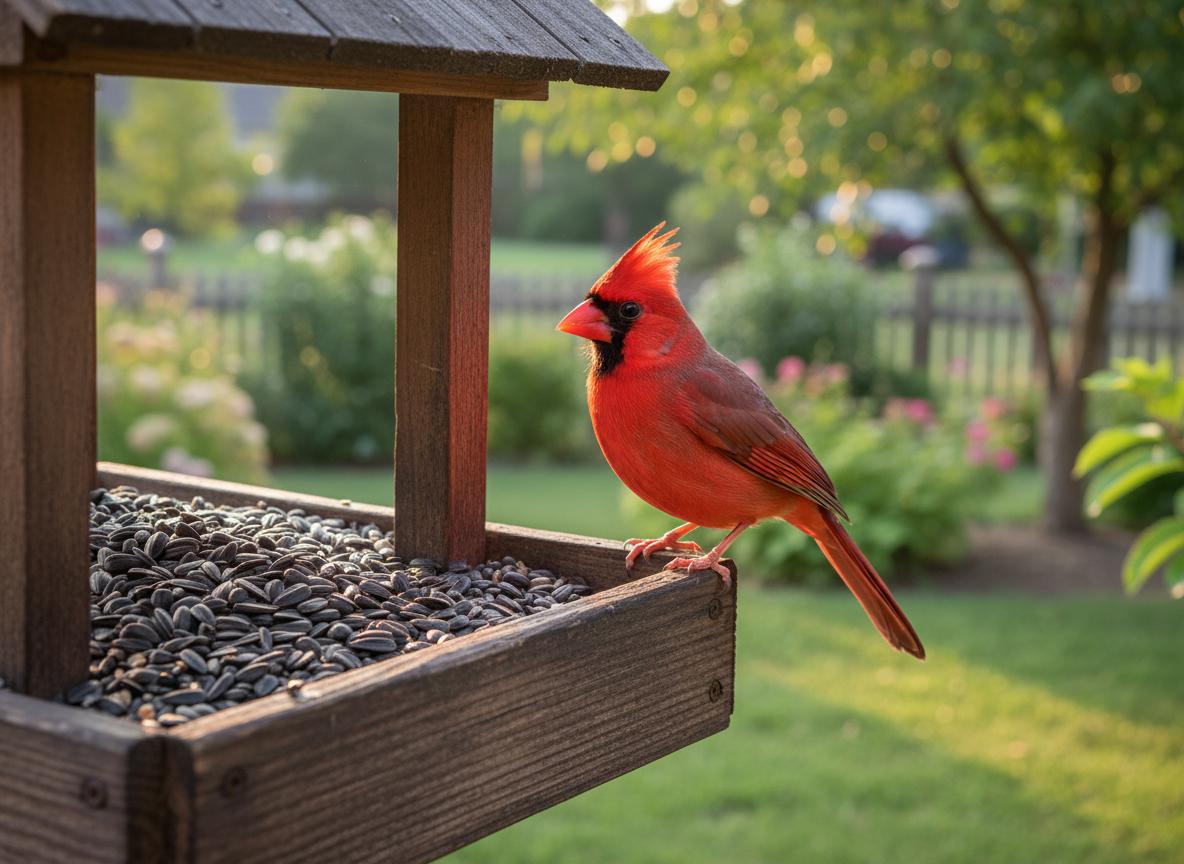
Backyard Birds
Squirrel-proof feeders, window feeders and pole systems tested against real squirrels.
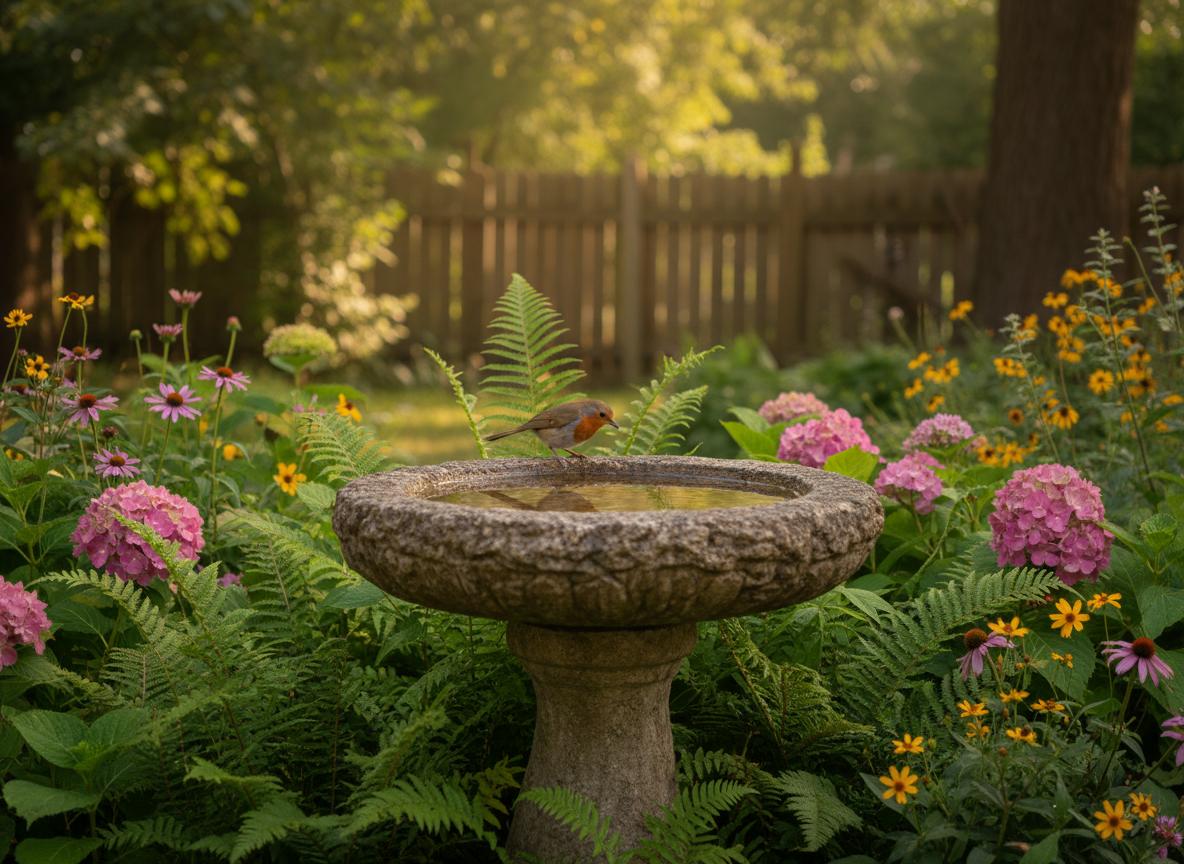
Bird Baths
Heated baths for winter, solar fountains for summer and placement advice that works.
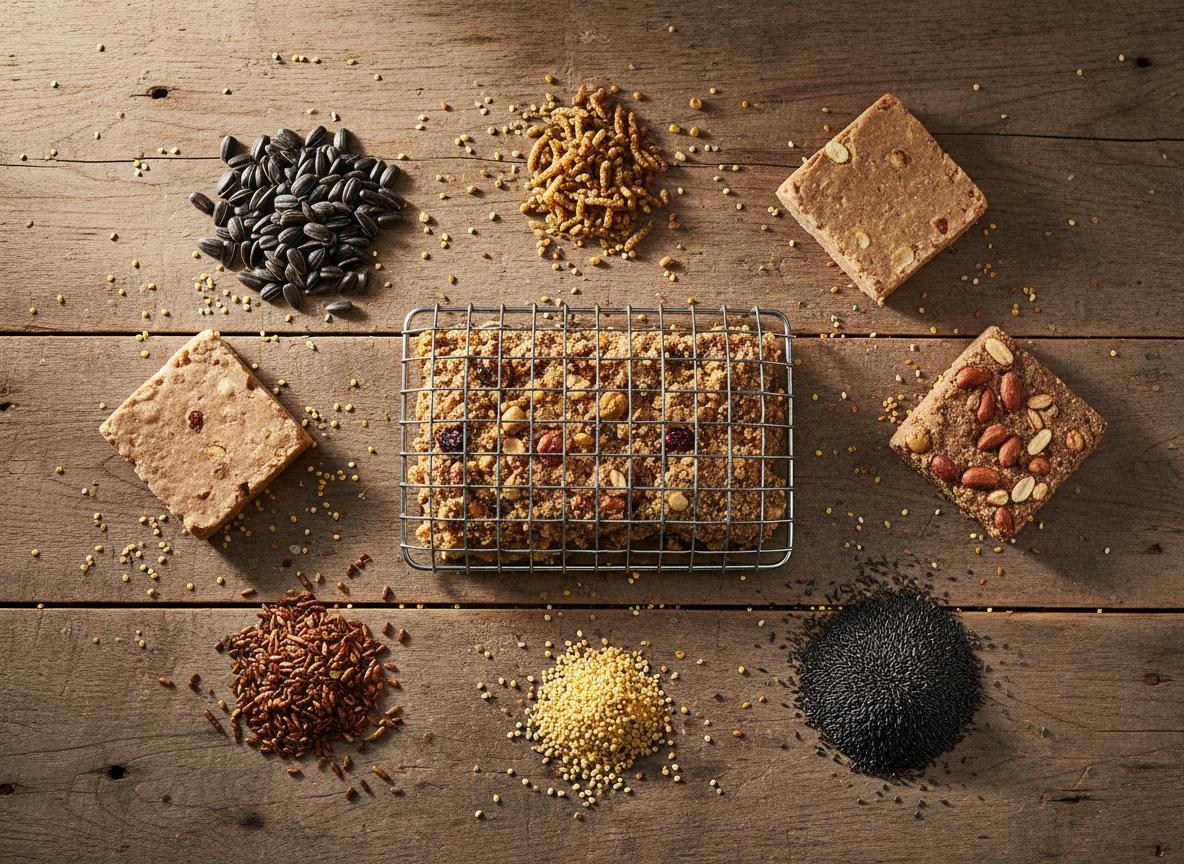
Seed and Suet
No-mess blends, suet cakes and a quick chart matching seed to the birds you want.
New to Backyard Birding? Start Here.
Get the Right Feeder
A quality tube feeder with black oil sunflower seed will attract the widest variety of birds on day one.
Add Water
A simple bird bath brings in species that do not eat seed, like robins and warblers. Keep it shallow.
Be Patient
Birds find new feeders in 2 to 10 days. Once they do, they will return as long as you keep seed and water fresh.
Featured Buyer Guides
-
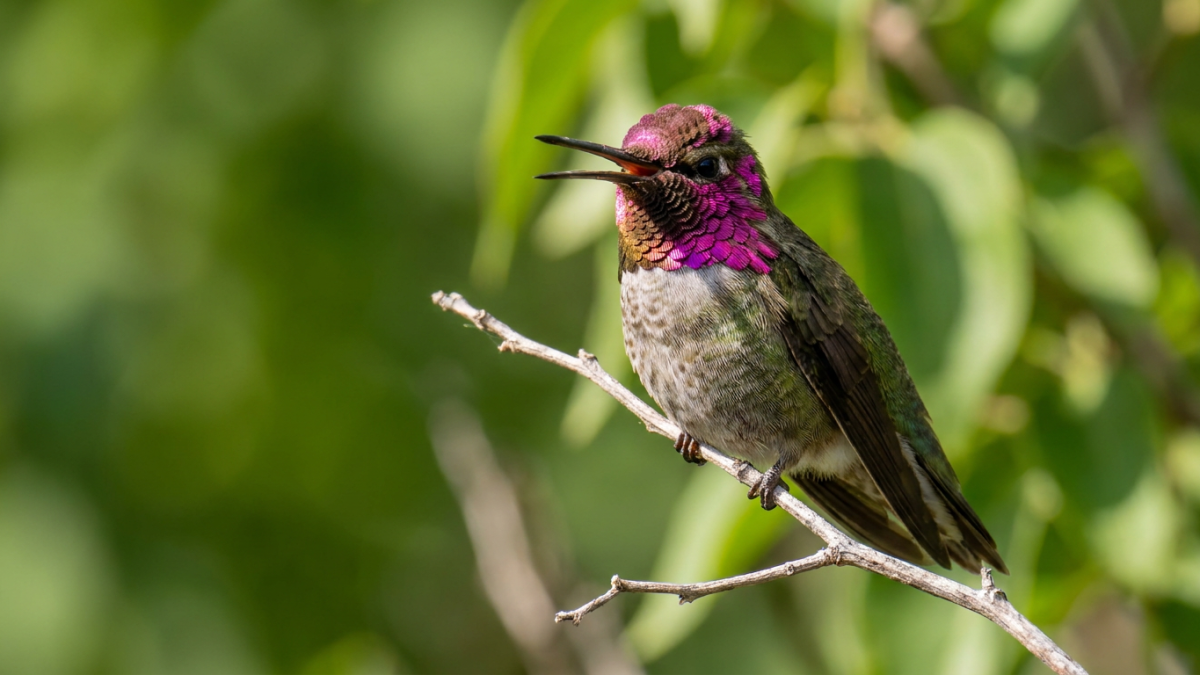
Hummingbird Sounds: Chips, Wing Hum and the Dive Noise Explained
Hummingbird sounds come from the voice, the wings and the tail. Match the chip, hum and dive noise to Anna’s,…
-
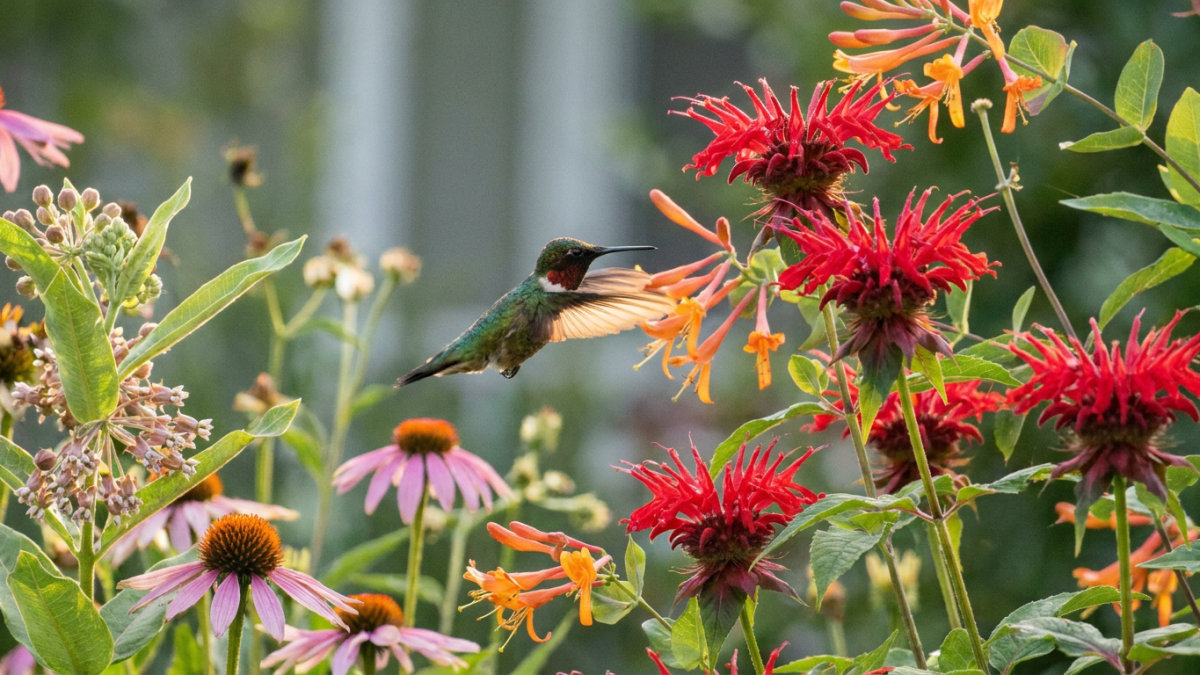
Hummingbird Garden Plants: Natives That Bloom From Arrival to Departure
Build a hummingbird garden with five native tubular bloomers, from columbine to cardinal flower, with bloom windows, USDA zones and…
-
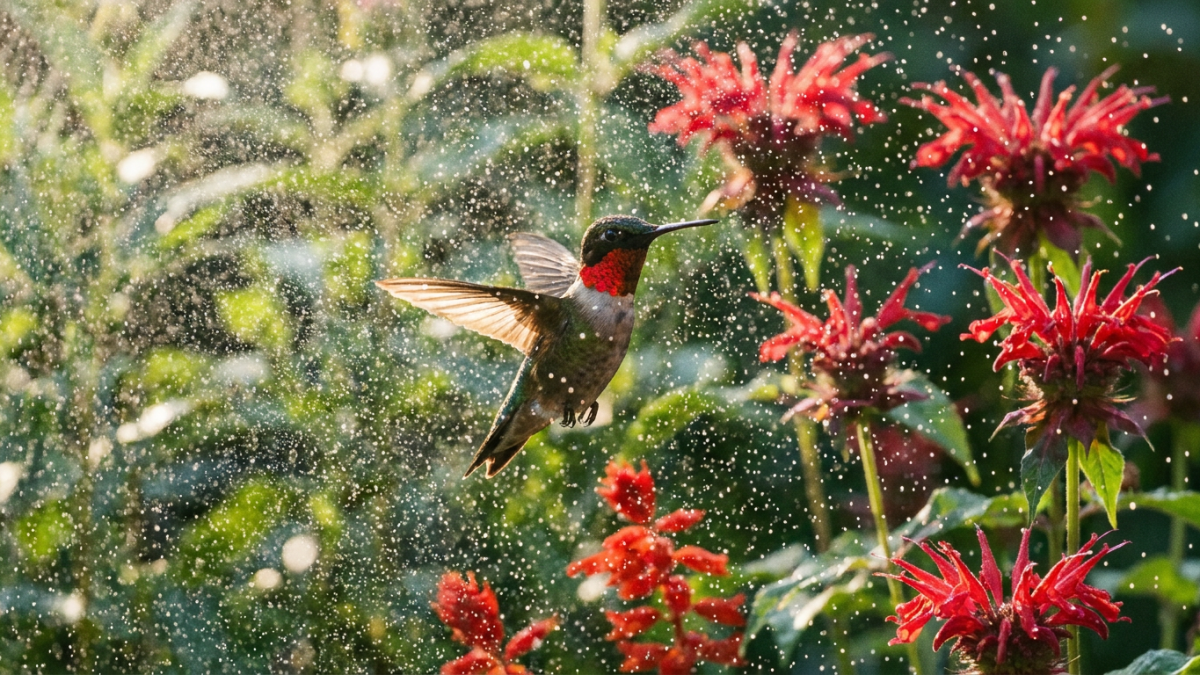
Hummingbird Bird Baths: Why They Want a Mister, Not a Bowl
A hummingbird bird bath works as a mister or dripper, not a bowl. Compare named misters and shallow baths by…
-
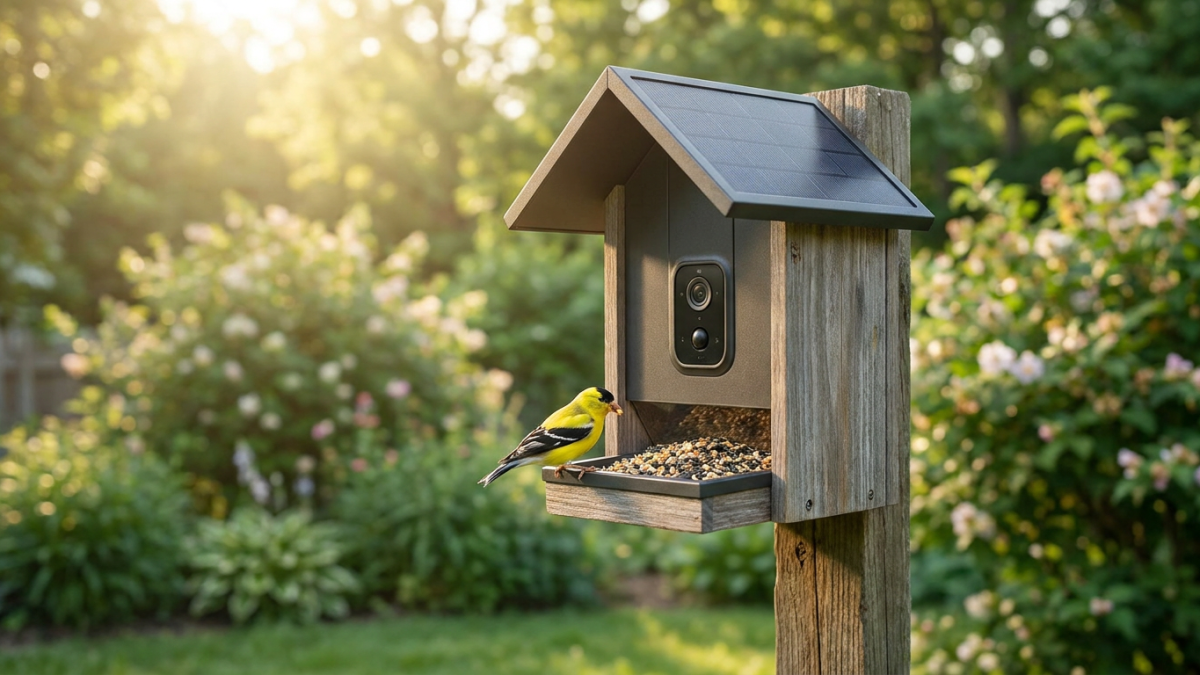
Best Bird Feeder Camera: Resolution, Power and Subscription Costs Compared
The best bird feeder camera is a solar 2K model. Compare Birdbuddy, Birdfy and Wasserstein on resolution, battery, species-ID subscription…
-
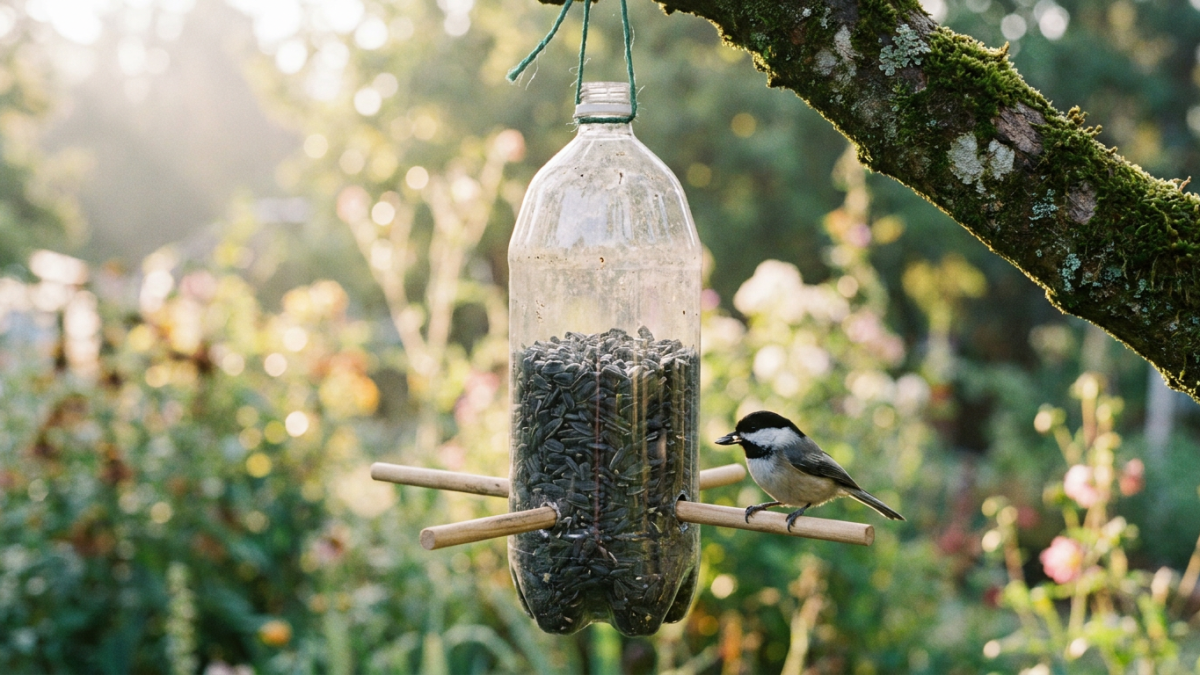
Plastic Bottle Bird Feeder: A Build That Lasts More Than a Week
Build a plastic bottle bird feeder that lasts: drainage holes, smooth feeding ports, real perches, a screw-on base option and…
-
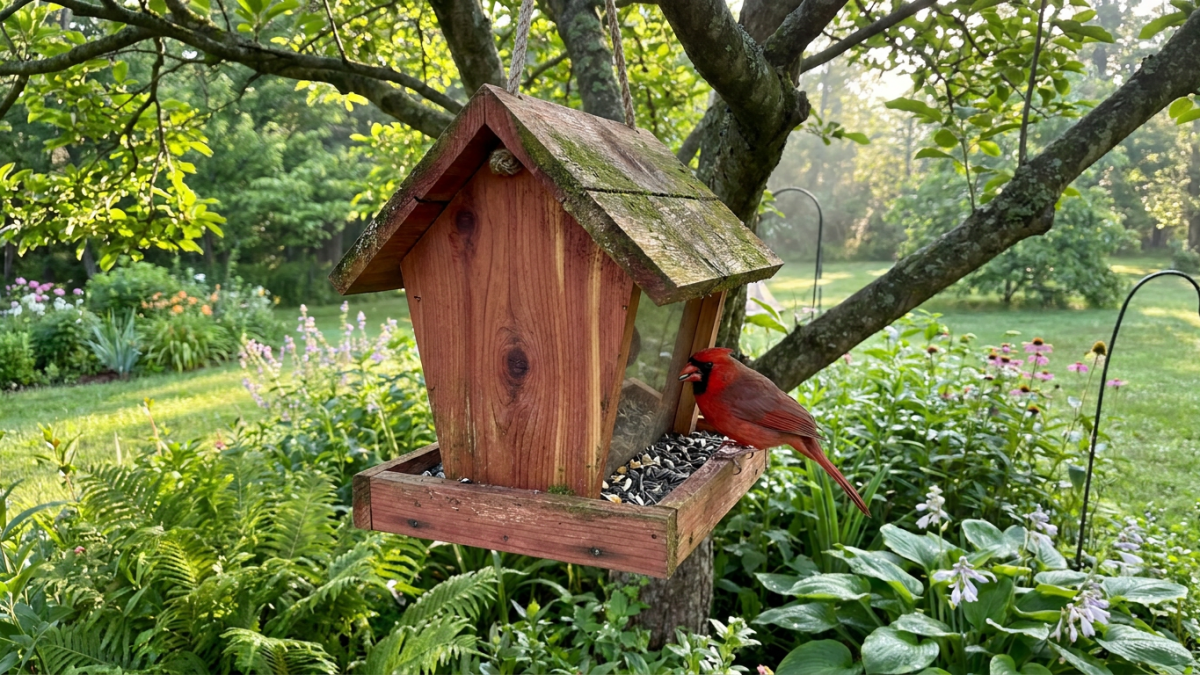
Wooden Bird Feeders: Cedar vs Pine, Finish Choices and How Long They Last
Wooden bird feeders compared: why cedar outlasts pine, where finishes never go, six cedar models with maker specs, and how…
Quick Comparison: Hummingbird Feeders
| Product | Best For | Capacity | Key Feature | |
|---|---|---|---|---|
| Aspectek HummZinger Top Pick |
Most yards | 12 oz | Raised bee-guard ports, saucer design snaps apart for easy cleaning | Read the guide |
| First Nature 3055 | High-traffic yards | 32 oz | Large capacity, wide mouth for easy filling | Read the guide |
| Perky-Pet 203CPBN | Ant problems | 30 oz | Built-in ant moat stops ants before they reach nectar | Read the guide |
See the full ranked list and detailed breakdown in our hummingbird feeder guide.
Frequently Asked Questions
How often should I clean my hummingbird feeder?
Every 3 to 5 days when temperatures are below 80 degrees F, and every 2 days when it is hotter. Black mold grows fast in sugar water and will harm hummingbirds. A quick rinse with hot water and a bottle brush is enough between deeper vinegar soaks.
Is the 4-to-1 nectar ratio really the best?
Yes. Four parts water to one part white granulated sugar closely mimics natural flower nectar. Do not use honey, brown sugar or artificial sweeteners. Red dye is unnecessary and potentially harmful, so skip it.
Where is the best place to hang a hummingbird feeder?
Near flowers or shrubs where hummingbirds already visit, in partial shade to slow nectar spoilage, about 5 feet off the ground and within 10 to 15 feet of cover so birds can escape predators quickly.
Make Your Own Nectar
Our 4-to-1 nectar recipe is the only one you need. No red dye. No honey. Just sugar and water. Get the exact recipe and pair it with one of our recommended feeders.
How We Research
Every pick is researched against manufacturer specs and hundreds of verified owner reviews. Read our full methodology.